

20 AI Agents Examples: Real-World Use Cases by Type and Industry
See 20 real AI agents examples including Uber, Ramp, Intercom and more, grouped by type and industry, with results, sources and how to build your own.
AI agents are the talk of the town, yet it's quite difficult to find those that are actually deployed. Most lists combine actual deployments with hype, demos and simple automation. This AI agents examples guide is designed to bridge that gap.
The following list includes 20 named deployments from Uber, Ramp and Intercom. For each one, you get what the agent does, the result it produced and a source. Tools with fixed rules and text-suggesting were intentionally excluded from this list.
AI agents are moving to daily work. This guide shows 20 real AI agents examples from named companies, grouped by type and industry, with what each agent does, the results it produced, and how to build your own.
What Are AI Agents?
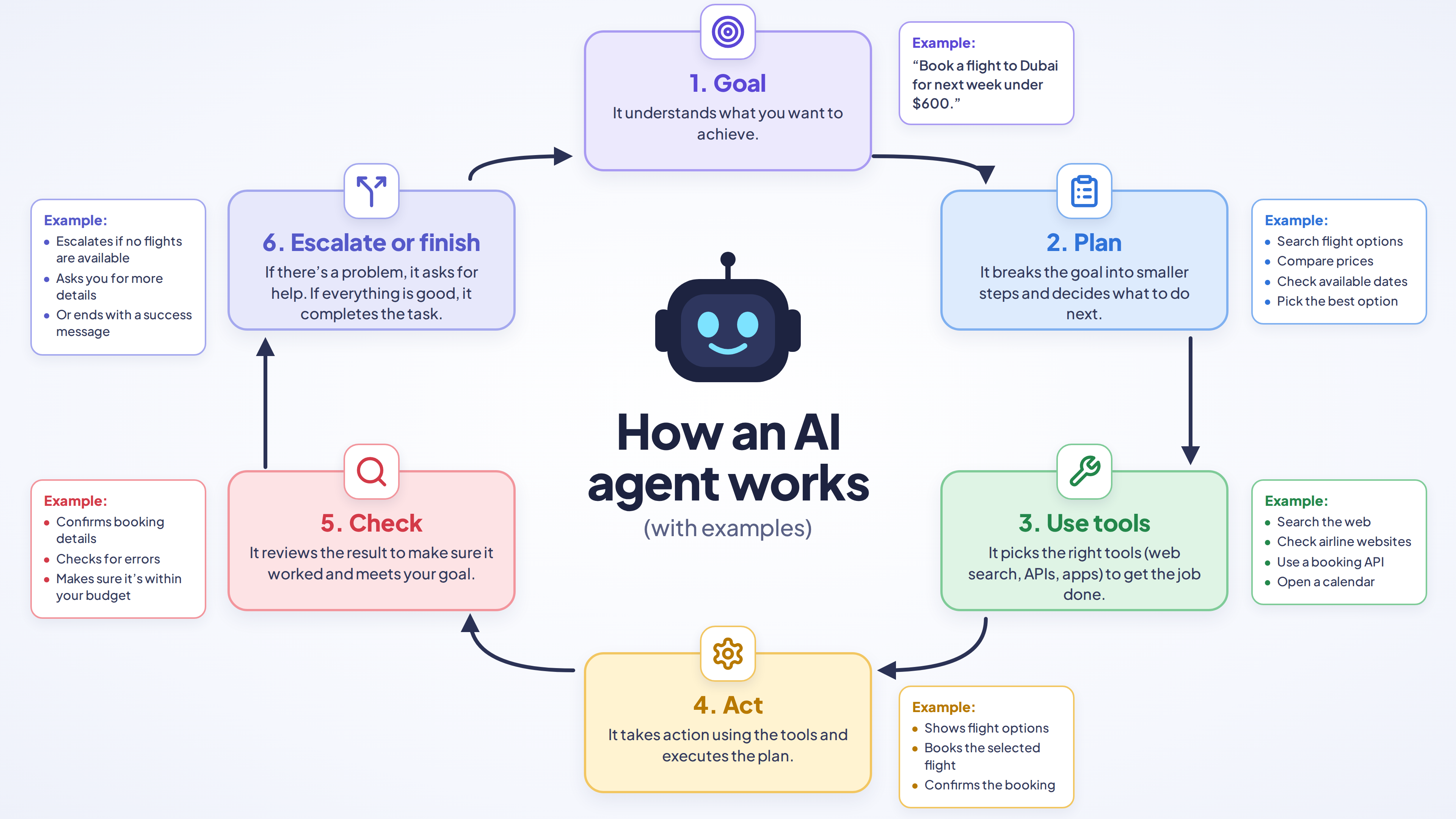
An AI agent is software that takes a goal, plans steps on how to execute it, uses tools like APIs, databases or a browser and verifies the output with minimal human intervention. It doesn't generate a single response and stop; rather, it continues until the job is completed or assistance is requested.
Basically, while a chatbot responds, an agent takes action. A chatbot can provide details of the refund policy. An agent may search the order and review it against that policy, refund and confirm the transaction with the customer.
Three characteristics make agents different from normal software. They are goal-oriented, which means you tell them the end result rather than each step. They are tool-using, which means that they operate within real systems like a database, Slack or a codebase. They are self-checking, meaning they look back at what they did and escalate to a person if they are unsure.
The examples below, from Uber's Finch to Ramp's merchant-matching agent, all show these traits in live deployments.
The 5-Point Test for a Real AI Agent
Not everything sold as an "agent" qualifies. For the types of AI agents with examples in this article, we used the following checklist:
- It works toward a goal, rather than one response.
- It works out or selects its own steps without a script.
- It is dependent on a system or tools, such as APIs, databases or a browser.
- It performs real actions, e.g. editing a record or a message.
- It observes results and modifies them or escalates to a human when it is unsure.
That is why several tools that are listed at competitor sites were not included here, like rule-based task automation and post-caption suggesters. They don't pass at least one of the five checks.
AI Agents Examples at a Glance
| # | Agent / Company | Type | What it does | Reported Result | Price | User rating | Pros | Cons | Source |
|---|---|---|---|---|---|---|---|---|---|
| 1 | Finch / Uber | Data retrieval | Answers finance questions in Slack via SQL | Hours to seconds | Internal build, not sold | n/a | Tailored to Uber’s finance data | Needs an in-house engineering team | Uber Engineering |
| 2 | Horizon Agent / Salesforce | Text-to-SQL | Internal data queries with explanations | 80% efficacy score | Internal build, not sold | n/a | Explains its answers, so users can check the logic | Needs engineers and evaluation work | Salesforce Engineering |
| 3 | Merchant Matching / Ramp | Classification | Fixes wrong merchant records | Under 10 seconds | Internal build, not sold | n/a | Limited to approved actions | Built for Ramp’s own data | Ramp Engineering |
| 4 | Fin Voice / Intercom | Voice support | Answers calls, escalates to humans | Vendor-reported | $0.99 per resolution, plus seats from $29 per month (annual) | G2 4.5/5 (about 3,690); Trustpilot 2.9/5 | Clears tier-one volume when help content is maintained | Can hallucinate; seat plus resolution double billing | Intercom Help |
| 5 | AskHR / IBM | HR automation | Handles 80+ HR request types | 94% containment | Internal build, not sold | n/a | Handles 80+ HR request types | IBM-specific setup | IBM Case Study |
| 6 | Delivery Hero QC | Attribute extraction | Extracts 22 product attributes | Low-confidence to humans | Internal build, not sold | n/a | Sends low-confidence outputs to humans | Built for Delivery Hero’s catalogue | Delivery Hero Tech |
| 7 | Bob / IBM | Coding | Assists 10,000 developers | 45% productivity gain | $20, $60 or $200 per month for 50, 180 or 1,000 Bobcoins; 30-day free trial; Enterprise custom | Gartner Peer Insights has 13 reviews, no rating found | Enterprise guardrails; handles legacy COBOL and RPG; human approval before code changes | Reviewers say prompts must be explicit; credit allowance is abstract | IBM |
Every entry is a named company with a live deployment and a public primary source. Vendor-reported results are marked as such; "capability only" means no public metric exists.
Customer Service and Voice AI Agent Examples
Voice agents are the latest customer-facing example and if the agent stalls, the test is clear.
Intercom Fin Voice is a phone-support agent that can pick up the phone and escalate to a human if it can't solve the problem. There is no published outcome number.
Lotte Homeshopping developed an AI concierge using Sendbird and Claude, which has led to a 40 percent reduction in service inquiries.
Lenovo operates support and engineering agents and claims 15% improvement in call-handling productivity, according to McKinsey and Lenovo. Consider these as a spread: one escalation design, one vendor-reported saving and one reported productivity gain, all from different sources.
Coding and Software Development Agent Examples
IBM BOB
Coding agents are missing from most agent roundups, yet they draw strong search interest. IBM Bob is used by 10,000 IBM developers, with a reported 45% productivity gain.
NASA JPL's ROSA is an open-source agent that lets engineers inspect and operate robots in natural language.
GitHub Copilot and Claude Code are coding agents that accept a problem, modify a codebase, run tests and create a pull request.
Each of them satisfies the 5-point criteria: it has a purpose, it has a tool, it works on real systems, it is not just proposing text.
Data and Analytics Agent Examples
Data agents turn plain-language questions into answers from company systems.
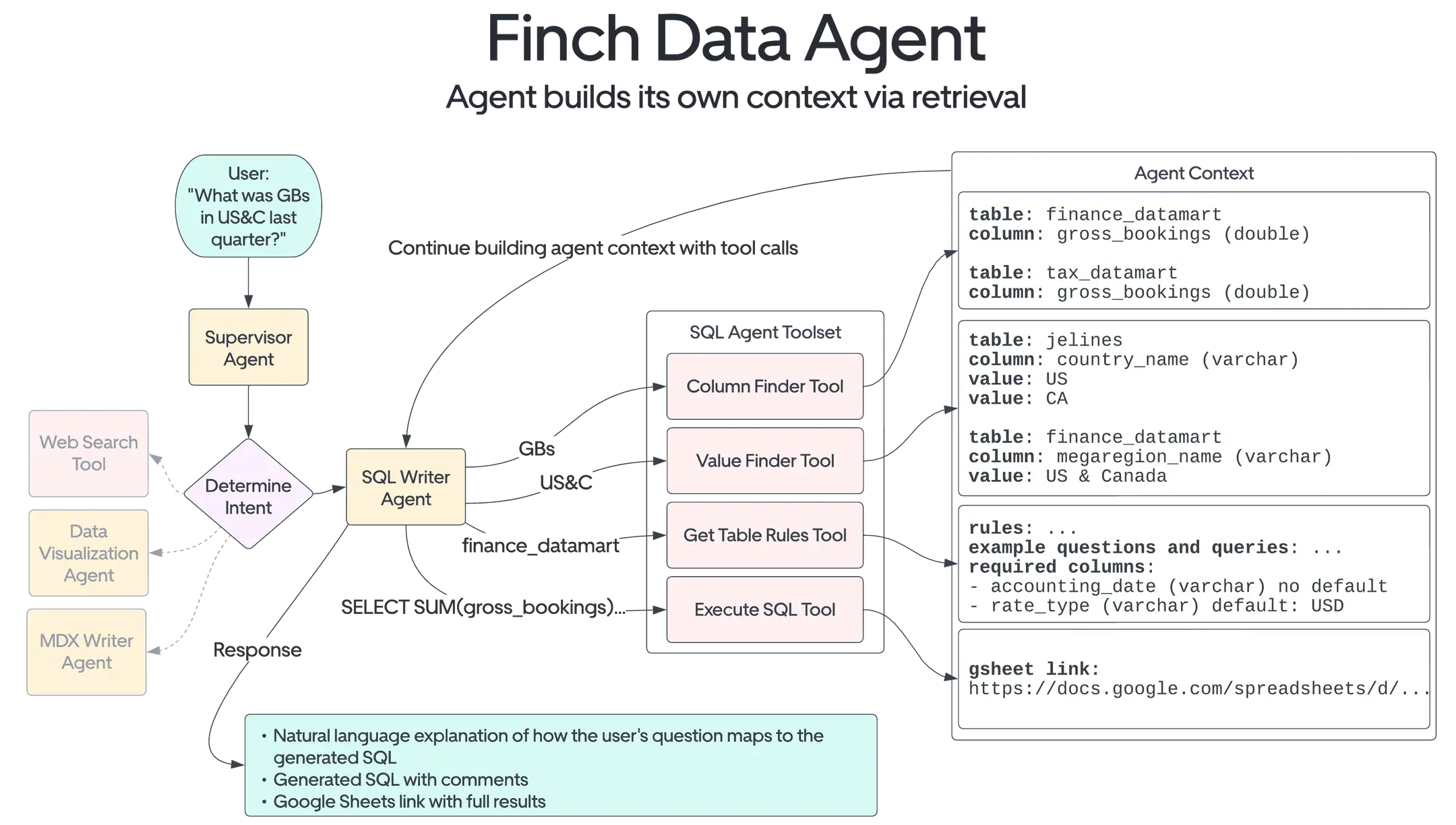
Uber’s Conversational AI Data Agent
Uber Finch is a Slack-based finance data agent, in which a supervisor agent routes each question to a SQL-writing agent.
Salesforce's Horizon Agent is an internal text-to-SQL agent in Slack that explains its answers, so users can check the logic.
Ramp's merchant-matching agent fixes wrong merchant classifications in under 10 seconds instead of hours, using only approved actions. Ramp is the only example here with a published speed result, and its limit on approved actions shows how teams keep a data agent safe to run. Uber and Salesforce both pair a Slack chat interface with SQL generation.
Knowledge Work and Productivity Agent Examples
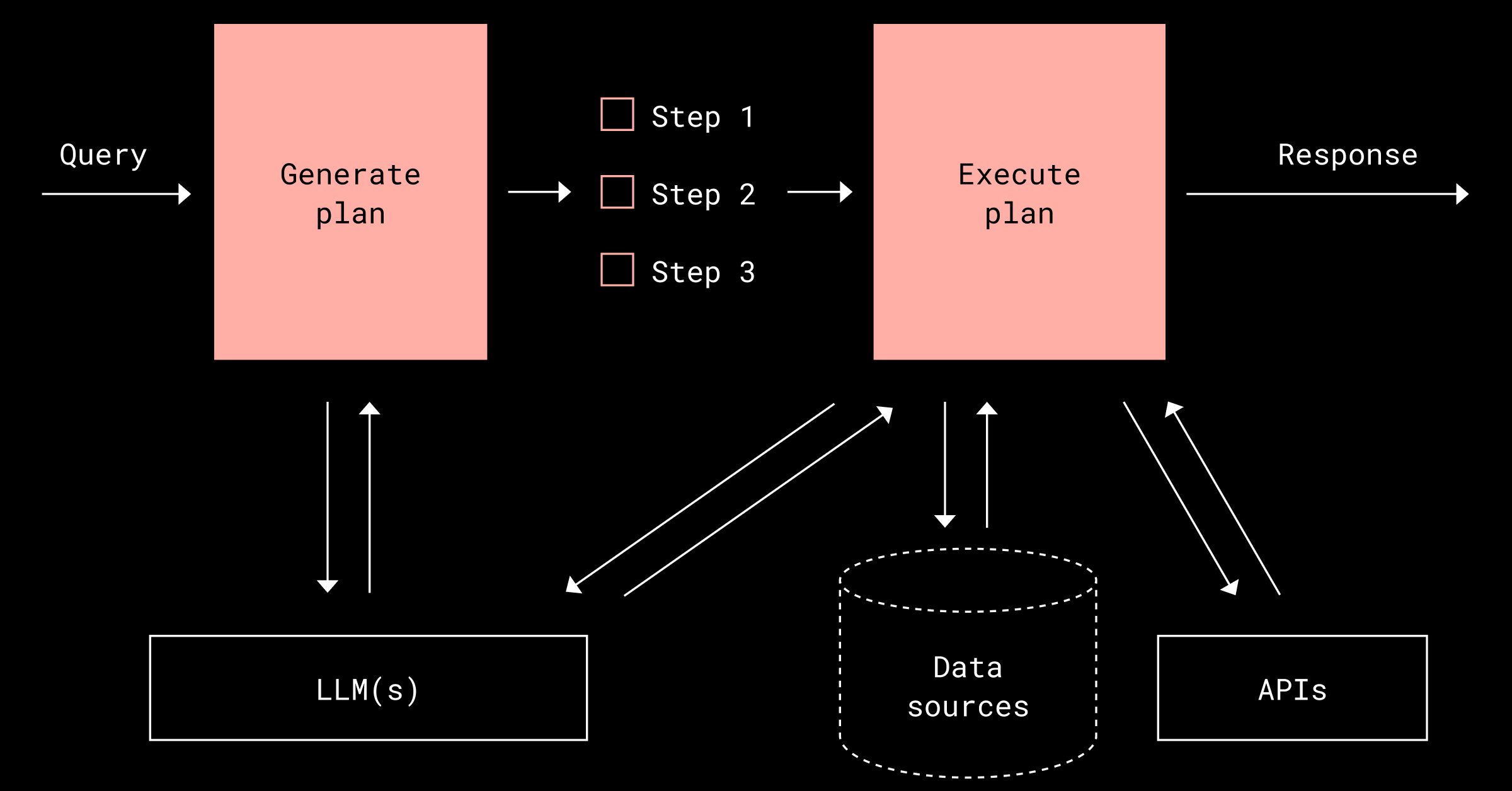
Dash agents as multi-step orchestration
Dropbox Dash plans and executes multi-step searches, such as finding notes for "tomorrow's all-hands" .
Anthropic Research uses a lead agent that spins up parallel sub-agents to search and synthesise.
Airtable Field Agents work inside a base to gather insights and write content. Moveworks Brief Me is a document Q&A agent.
Netguru Omega is a sales agent whose critic agent reviews its outputs before they go out. Two patterns stand out. Dash and Anthropic Research split work across steps or sub-agents, while Netguru adds a second agent to check the first. No outcome figures are published for these, so we report none.
Examples of AI Agents by Industry
Industry examples show the business impact behind the technology. Each one below pairs a named deployment with a sourced number, and vendor-reported figures are labelled as such.
Finance
In financial institutions, estimated 30,000 workdays were saved by agentic pilots reported by the World Economic Forum (WEF). The figure represents pilots from various companies, so use it as an indicator of the industry, not a single agent's performance.
Legal
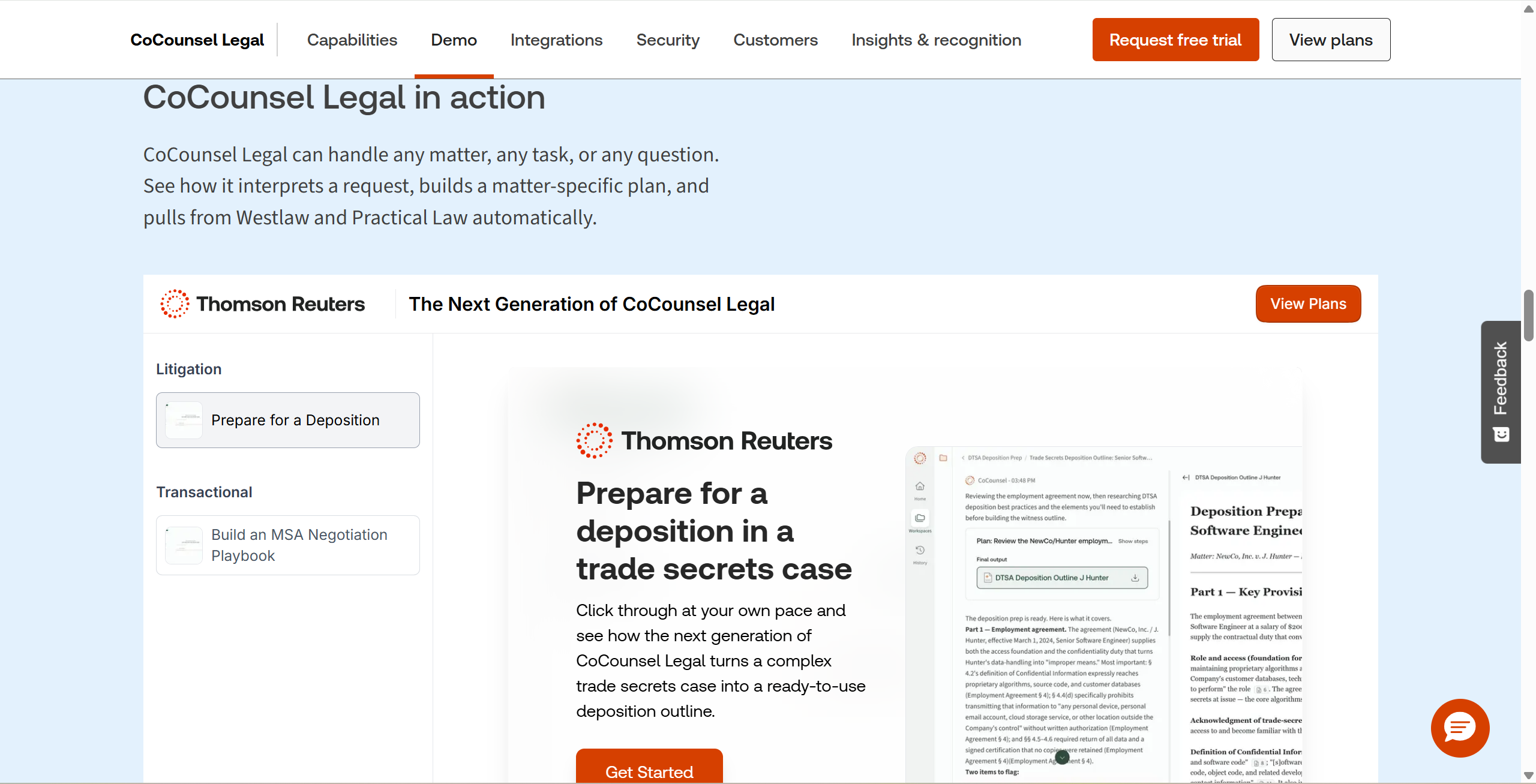
CoCounsel Legal in action
Thomson Reuters CoCounsel reduces the review, research and drafting time by 33%, as per the vendor report. The process is multi-stage and outputs are checked by a lawyer, which makes it suitable for legal work.
HR
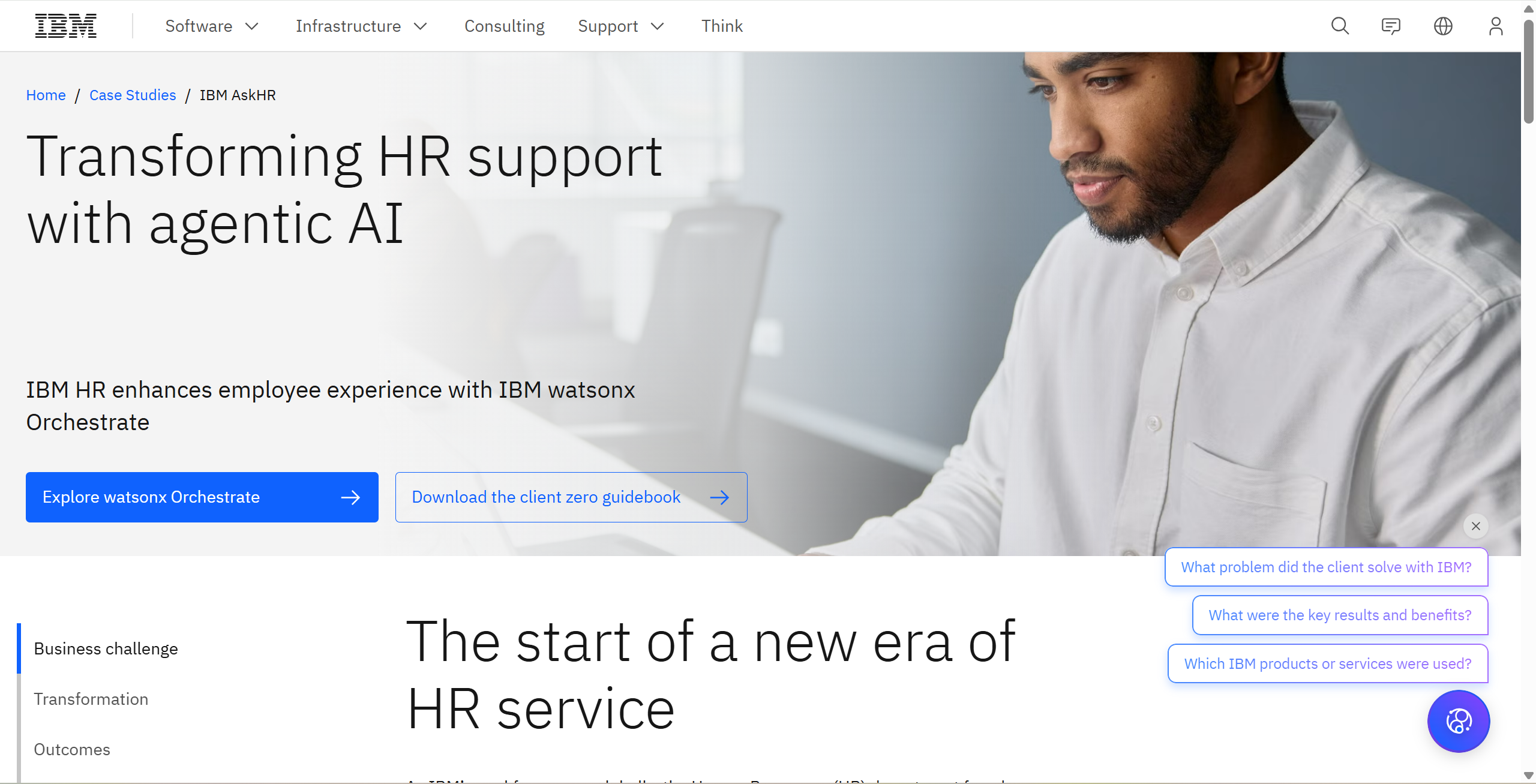
IBM AskHR AI Agent
IBM AskHR automates over 80 common HR requests, including common employee questions and standard HR tasks. This is an internal agent, which means that IBM builds and uses it.
Retail and Delivery
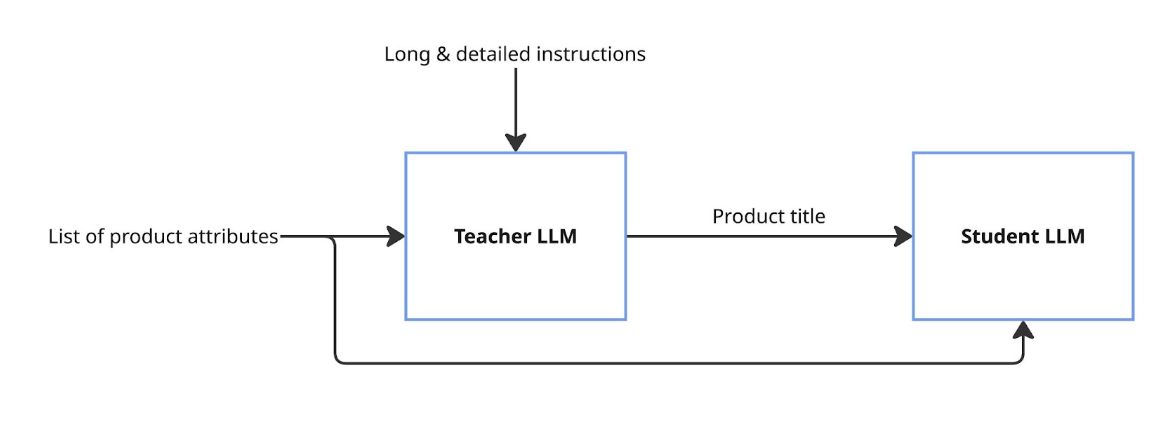
Delivery Hero AI Agent Process
Delivery Hero uses two agents to extract 22 product attributes and write standard product titles. Low-confidence outputs go to humans for review. The confidence check is what keeps the catalogue accurate at scale.
Marketing
Marriott, working with Adobe's marketing agents, reports 70% faster campaign content, a figure attributed to Adobe. Adobe's own announcement is not yet linked.
What Real AI Agent Deployments Have in Common
The generative AI agents examples above share a clear pattern. None of them started with a general-purpose assistant.
- A narrow first job. Ramp fixes merchant classifications, and Delivery Hero extracts product attributes and writes titles. Each agent does one task well.
- Limited, approved actions. Ramp's agent can only take pre-approved steps, so a wrong answer cannot become a wrong action.
- Humans on low-confidence cases. Delivery Hero grades its outputs and forwards the doubtful ones to the people, while Intercom's Fin Voice escalates calls it can't solve.
- Pre- and post-launch testing. Uber uses golden test sets, while Anthropic uses an LLM judge to evaluate its research agent.
- Data access and security controls. Each agent reaches only the systems and data its job requires.
There are honest limits. Agents do make mistakes, they cost money to run, and they require some integration with existing systems. That's why most deployments begin on a small scale and gradually grow after the outcomes hold.
Build Your Own AI Agent-Powered App With Enter Pro
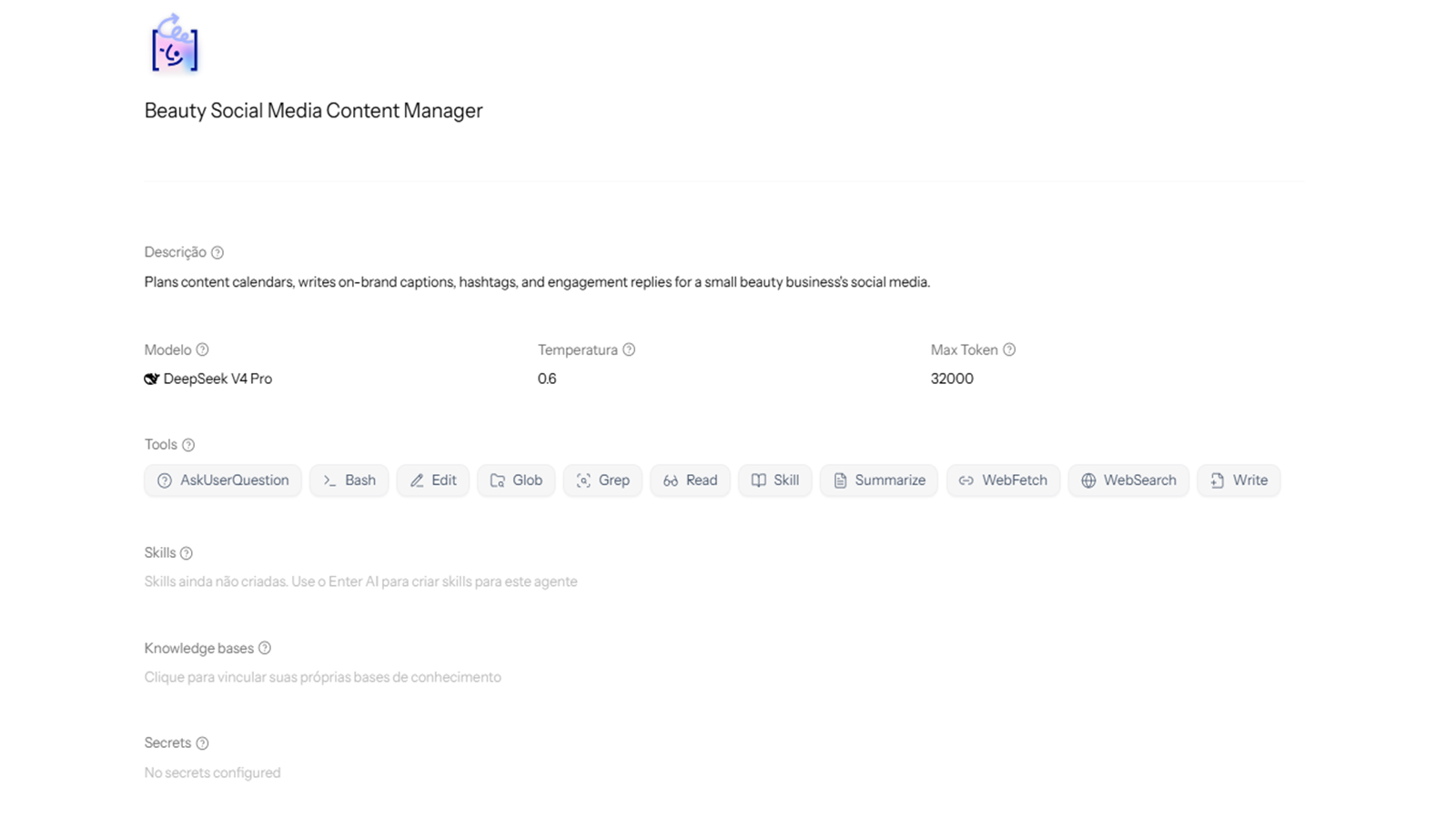
Enter Pro is an AI app builder. You describe what you want in plain language, and it plans the app, lets you refine the screens visually and writes the React code for you.
That makes it a practical way to try one narrow agent inside a simple app, as the teams above did. Each starter app maps to an example earlier in this guide.
A support triage tool follows Intercom Fin Voice and Lotte's concierge. An internal data assistant follows Uber Finch and Salesforce Horizon. An approval workflow follows Ramp's approved-actions model, or the HR and legal cases above.
Building one with Enter Pro takes three steps:
- Describe the app and its agent in plain language and let Plan Mode map it. For a support triage tool, you might write "answer common tickets and escalate unclear ones to a person." That mirrors the Customer Service examples, Intercom Fin Voice and Lotte Homeshopping.
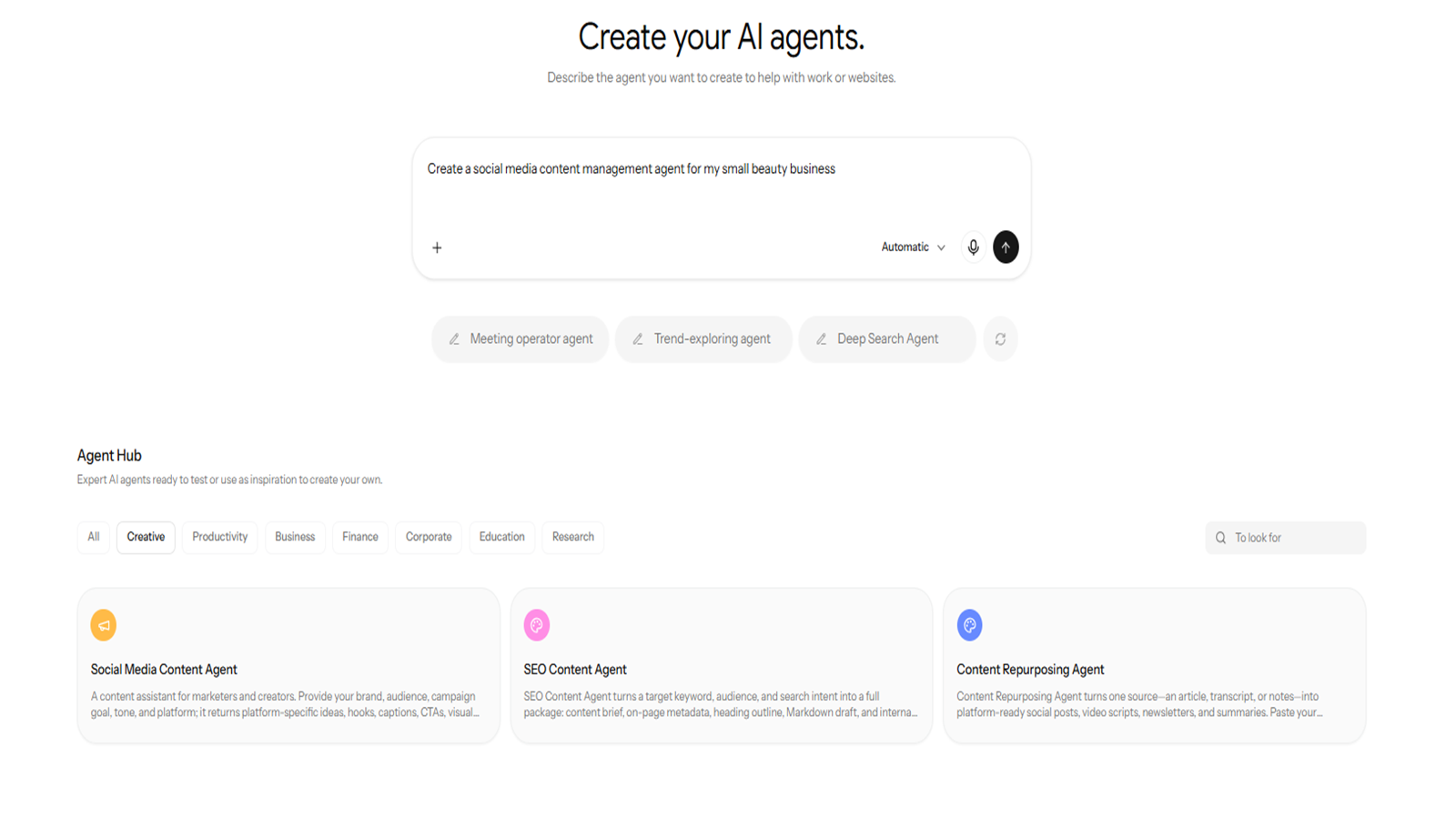
- Refine the screens in the visual editor while AI writes the React code. An internal data assistant, like Uber Finch or Salesforce Horizon in Data and Analytics, needs little more than a question box and an answer view.
- Publish in one click or export the code. An approval workflow, in the style of Ramp's approved-actions agent or the HR and Legal industry examples, can go live as a small internal tool.
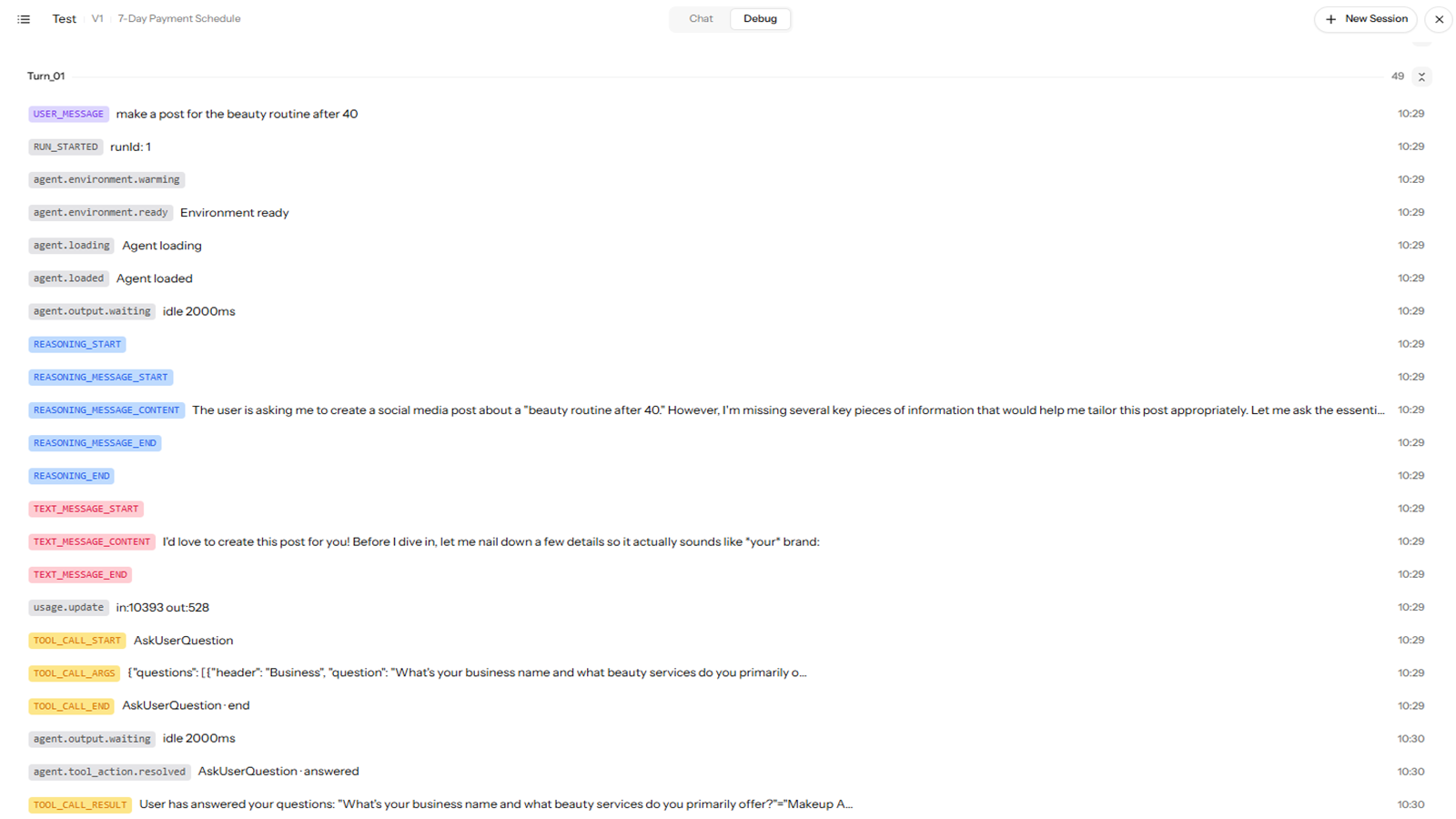
It is ideal for prototypes, internal tools and customer-facing web applications. For high-volume or regulated agents, a standalone agent platform and evaluation stack may be required. For this, try the AI code generator or the visual editor.
Conclusion
In each of these 20 AI agent examples, there is a similar pattern: a narrow job, access to the correct tools, a human fall-back and measurable results. Select a repetitive, multi-step task in your own activity and experiment with an agent first, then scale. Start small, check the output and expand only when the results hold up.
When you are ready to prototype, start building in the Enter Pro workspace.
FAQs About AI Agent Examples
1. What are AI agents?
AI agents are software that takes a goal, plans steps, uses tools like APIs or a browser to act, and checks the result with limited human input. Unlike a chatbot, an AI agent like Enter Pro completes tasks rather than only answering questions.
2. What are some examples of AI agents?
Generative AI agents examples include Uber's Finch, which answers finance questions by writing SQL, and Intercom's Fin Voice, which handles support calls. Ramp's agent fixes merchant records in seconds, and coding agents turn issues into pull requests. See the master table above for all 20.
3. What are the 5 types of AI agents?
The five types are simple reflex (thermostat), model-based reflex (robot vacuum), goal-based (GPS navigation), utility-based (dynamic pricing) and learning agents (recommendations). They range from fixed rules to systems that improve with experience.
4. Is ChatGPT an AI agent?
Standard ChatGPT chat is an assistant, but its agent mode is an AI agent because it can browse, use tools and complete multi-step tasks. Product names change, so check OpenAI's current documentation before relying on this.
5. What is the difference between an AI agent and a chatbot?
A chatbot responds to messages, while an AI agent plans and takes actions across systems. A chatbot tells you the refund policy; an agent checks the order, issues the refund and confirms it to the customer.
6. Can I build an AI agent without coding?
Yes, for simple agents. No-code agent builders and AI app builders, including Enter Pro, let you describe the task and connect tools. Complex, high-volume agents still need developers, testing and ongoing monitoring.
7. How much does an AI agent cost?
Off-the-shelf agents often cost 50 per user per month, while custom builds range from about $6,000 to over $300,000. Add model usage and maintenance costs on top of either.